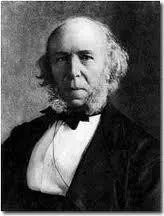
Series by Herbert Spencer
- Buy on Amazon
1872 · Herbert Spencer
The Study of Sociology III is a 1872 book by Herbert Spencer. It is book 3 of the series The Study of Sociology.
Read more → - Buy on Amazon
1872 · Herbert Spencer
The Study of Sociology I is a 1872 book by Herbert Spencer. It is part of the series The Study of Sociology.
Read more → - Buy on Amazon
1872 · Herbert Spencer
The Study of Sociology II is a 1872 book by Herbert Spencer. It is part of the series The Study of Sociology.
Read more →
Standalone books

Frequently asked questions
How many books has Herbert Spencer written?
We list 4 books by Herbert Spencer across 1 series, published between 1872–1897 — each shown in full reading order.
What order should I read Herbert Spencer's books?
Read each series in publication order. A good place to start is “The Study of Sociology III.” Open any series above for its complete numbered reading order.
Where can I buy Herbert Spencer's books?
Every title links to Amazon from its series page — see our affiliate disclosure in the footer for how that supports the site.
Reading order compiled from author/publisher guidance and verified bibliographic data. Spotted a wrong order, a missing book, or any other mistake? and we'll correct it.
Some summaries adapted from Wikipedia, CC BY-SA 4.0.