Starchild Trilogy Books in Order
Rate this series:
The Starchild Trilogy, written by Frederik Pohl and Jack Williamson and published between 1964 and 1969, is a science fiction series that explores themes of control, technology, and artificial intelligence. Set in a future where human-created entities gain independence and challenge existing power structures, the series examines the consequences of technological advancement and the struggle between autonomy and authority. The narrative spans multiple works, focusing on the tensions between human society and the artificial beings it creates.
Publication order
In the order the books were originally released.
-
 Buy on Amazon
1964 · Frederik Pohl
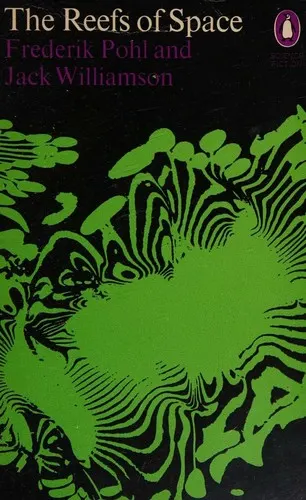
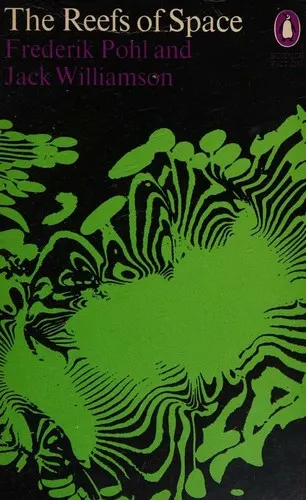
The Reefs of Space is a dystopian science fiction novel by American writers Frederik Pohl and Jack Williamson, published in 1964. It is part of the…
Read more → -
 Buy on Amazon
1965 · Frederik Pohl and Jack Williamson
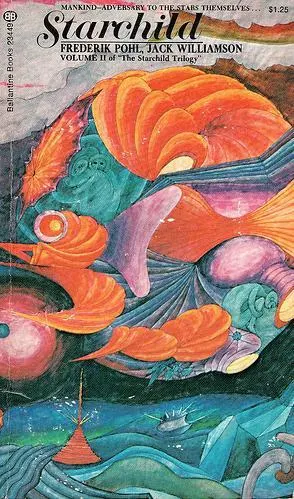
Starchild is a 1965 science fiction novel written by American authors Frederik Pohl and Jack Williamson. It is the first book in the Starchild…
Read more → -
 Buy on Amazon
1969 · Frederik Pohl and Jack Williamson
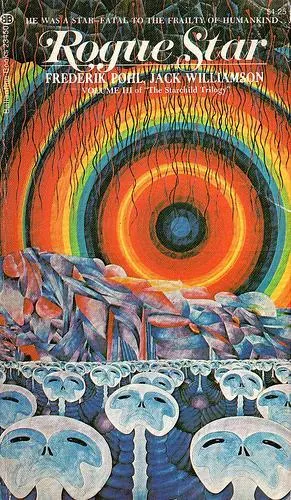
Das Duell der lebenden Sterne is a science fiction novel by Frederik Pohl and Jack Williamson. The story follows a star created by humans, known as…
Read more →
Frequently asked questions
What order should I read the Starchild Trilogy books in?
Read them in publication order, starting with “The Reefs of Space”. Start with “The Reefs of Space.”
How many books are in the Starchild Trilogy series?
We list 3 books by Frederik Pohl , published between 1964–1969.
Where can I buy the Starchild Trilogy books?
Each title above links to Amazon. See our affiliate disclosure.
More series like Starchild Trilogy

Reading order compiled from author/publisher guidance and verified bibliographic data. Spotted a wrong order, a missing book, or any other mistake? and we'll correct it.